


Ease Your Headache the Natural Way: Discover How Physical Therapy Can Help!
Did you know that physical therapy can be a game-changer for those suffering from cervicogenic headaches? Yes, those nagging headaches that start in your neck and creep up into your head can be eased with the help of our physical therapists!
Cervicogenic headaches come from problems in your neck, and that’s where our physical therapist steps in. We’ll get to the root cause, whether it’s tight muscles, stiff neck joints, or the way you sit or stand.
Once they know the cause, our therapists use hands-on techniques to loosen up those tight spots and get your neck moving better. They might use gentle stretching, massage, or special exercises. It’s not just about easing the pain right now; it’s about teaching your body to move in ways that keep the pain from coming back.
At Haymarket Physical Therapy, our physical therapy programs aren’t just about fixing injuries; it’s about helping your body work its best. For those who didn’t know, physical therapists can definitely help with headaches. So, if you’re tired of those headaches, give our physical therapists a try. It could be just what you need to feel better and get back to enjoying life headache-free!

Neck Pain to Headache: Uncovering the Causes and Signs of Cervicogenic Headaches
Cervicogenic headaches are common headaches that originate in the neck and are triggered by neck problems. Common culprits include:
- Poor posture
- Neck injuries like whiplash
- Wear and tear in the neck joints due to age
You’re at a higher risk if you spend hours hunched over a computer or smartphone. Sports that jolt the neck, like football or even a minor car accident, can set the stage for these headaches.
Unlike migraines that often come with nausea or light sensitivity, cervicogenic headaches usually start with neck pain. This pain then travels up to the back of your head, sometimes reaching the forehead or area around the eyes. It’s typically felt on one side and can be triggered by certain neck movements or positions. Stiffness in the neck, pain when pressing on certain spots in the neck or base of the skull, and sometimes a reduced range of motion in the neck are tell-tale signs.
If you’re experiencing these symptoms, it’s a sign that your neck might be the culprit. Understanding these causes and symptoms is crucial because treating a cervicogenic headache is different from tackling a migraine or tension headache. It’s all about getting to the root of the problem – in this case, the neck!
Targeting the Source: How Physical Therapy Tackles Cervicogenic Headaches
Physical therapy at Haymarket Physical Therapy plays a crucial role in managing cervicogenic headaches. Our approach is particularly effective as it targets the root cause of the pain. Our therapists will start with a comprehensive evaluation, including your medical history, history of headaches, and a thorough physical examination.
Our team will use the most effective treatments to help you resolve your pain and teach you the tools you’ll need to prevent future episodes. Our programs typically include:
- Manual Therapy: This involves hands-on techniques, where the therapist manipulates and mobilizes the neck and shoulder regions. It reduces stiffness, improves range of motion, and decreases pain in cervicogenic headaches.
- Targeted Stretches: These are specific stretching exercises focused on the neck and upper back muscles. They aim to relieve tension and improve mobility in these areas, thus helping to reduce the intensity and frequency of headaches originating from the neck.
- Strengthening Exercises: These exercises focus on building the strength of the neck, shoulder, and upper back muscles. Strengthening these areas can provide better support to the neck, improve posture, and reduce the stress on cervical spine structures.
- Postural Corrections: Postural training involves teaching patients how to maintain proper neck and spine alignment, especially during daily activities.
Our therapy programs also play a vital role in long-term management and help significantly reduce headache frequency and intensity and improve neck function and overall quality of life.
You will notice less stiffness and greater ease in neck movement, along with reducing or eliminating the headaches altogether. The key to maintaining these improvements is continuing to do the exercises and techniques learned during therapy sessions and integrating them into daily routines to ensure long-term benefits and prevent future cervicogenic headaches.

Exercise of the Month: Side Neck Stretch
- Tilt your head: Slowly tilt your head towards your right shoulder, bringing your right ear towards your right shoulder.
- Feel the stretch: You should feel a gentle stretch on the left side of your neck.
- Hold: Maintain the stretch for 15-30 seconds, breathing deeply.
- Repeat: Slowly return to the starting position and repeat the stretch on the left side.
Meet Our Team

Lauren Smith, LPTA
Licensed Physical Therapy Assistant
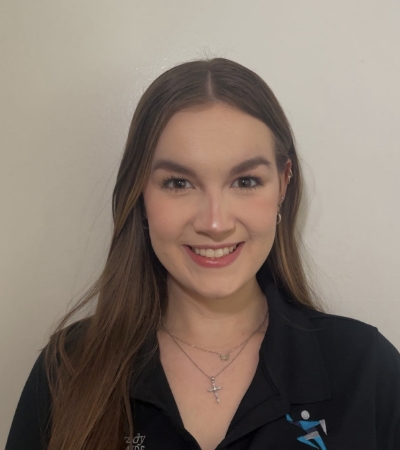
Kaitlyn O’Grady
Rehabilitation Aide

Ashley Russo
Front Office Coordinator

Karen Hueni
Front Office Coordinator
Discover the Power of Manual Therapy for Headache Relief

Manual therapy is a cornerstone treatment in physical therapy for cervicogenic headaches. This approach involves hands-on techniques targeting the neck and upper back muscles, joints, and soft tissues.
Let’s dive into how these techniques work and their specific benefits.
- Soft Tissue Mobilization: This technique focuses on the muscles and surrounding tissues. Our therapists use their hands to massage, stretch, and apply pressure to the soft tissues in the neck and upper back. This helps to release muscle tension, improve blood circulation, and reduce pain. It’s particularly effective for patients with tight muscles contributing to their headaches.
- Joint Mobilization: This technique involves our therapists moving your neck joints through their natural range of motion. This mobilization helps to loosen stiff joints, improve flexibility, and reduce pain.
- Trigger Point Therapy: Trigger points are tender, tight spots in the muscle. Our skilled therapists apply direct pressure to these points to release tension in the neck and shoulder region.
- Cervical Traction: In this technique, therapists gently stretch the neck to decompress the cervical spine, relieving pressure on the nerves to reduce headache pain.
These manual therapy techniques are often combined with other interventions like targeted stretches and strengthening exercises for a comprehensive approach. Our goal is to alleviate your headache symptoms and address the underlying neck issues causing them.
If you’ve been struggling with neck pain and headaches, remember that manual therapy can offer significant relief and may be the key to stopping cervicogenic headaches!

Recipe of the Month: Roasted Carrot Salad
Ingredients:
- 2 pounds carrots peeled and sliced diagonally
- 1/2 cup sliced almonds
- 2 cloves garlic minced
- 1/4 cup extra-virgin olive oil
- 1/2 teaspoon salt
- 1/4 teaspoon black pepper
- 2 tablespoons cider vinegar
- 2 teaspoons honey
- 1 package (4 ounces) Danish blue cheese, crumbled
- 1/2 cup dried cranberries
- 3 cups arugula
Directions:
- Begin by preheating your oven to 400 degrees F. Mix together the carrots, almonds, and garlic on a baking sheet. Drizzle with olive oil and sprinkle with salt and pepper. Toss to coat and spread out in an even layer.
- Roast the carrots for about 30 minutes until they are soft and the edges start to turn brown. Stir them twice while roasting. Remove from the oven and cool to room temperature.
- Transfer the carrots to a large bowl. Drizzle with vinegar and honey. Toss to coat. Add the blue cheese, cranberries, and arugula. Mix gently to combine.